

- Introduction
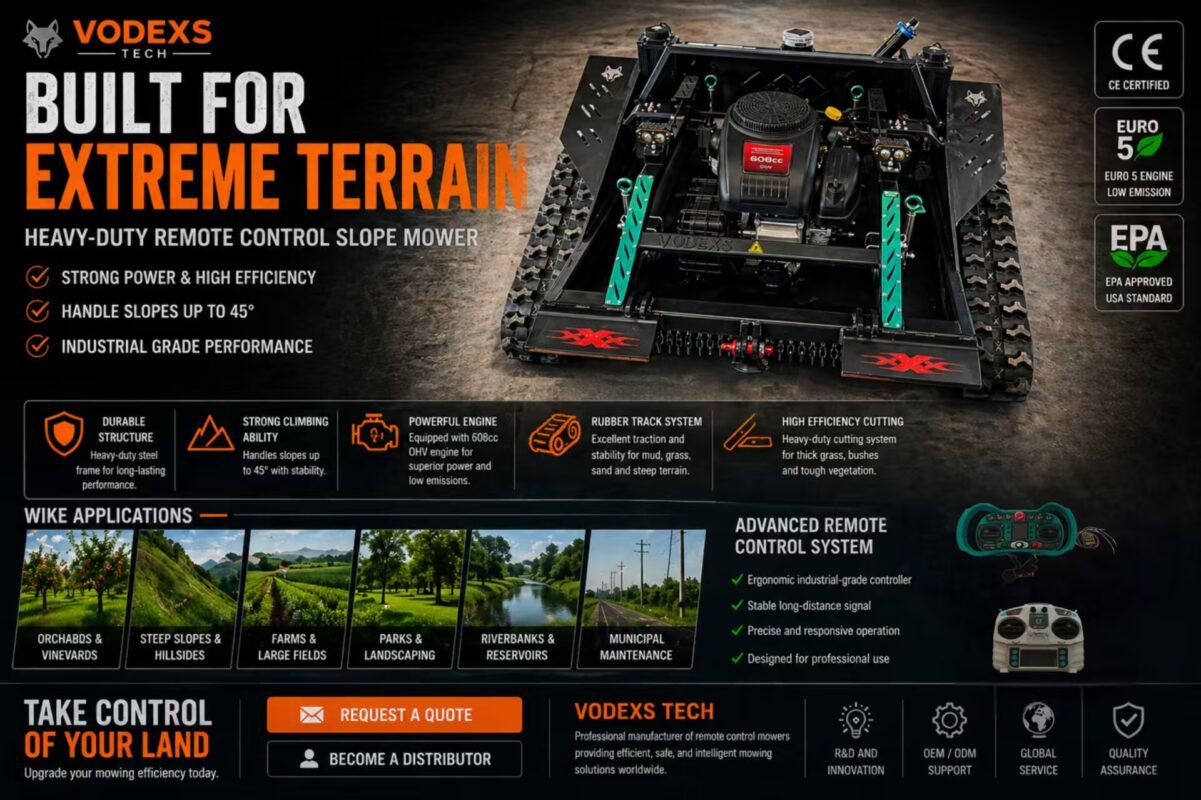
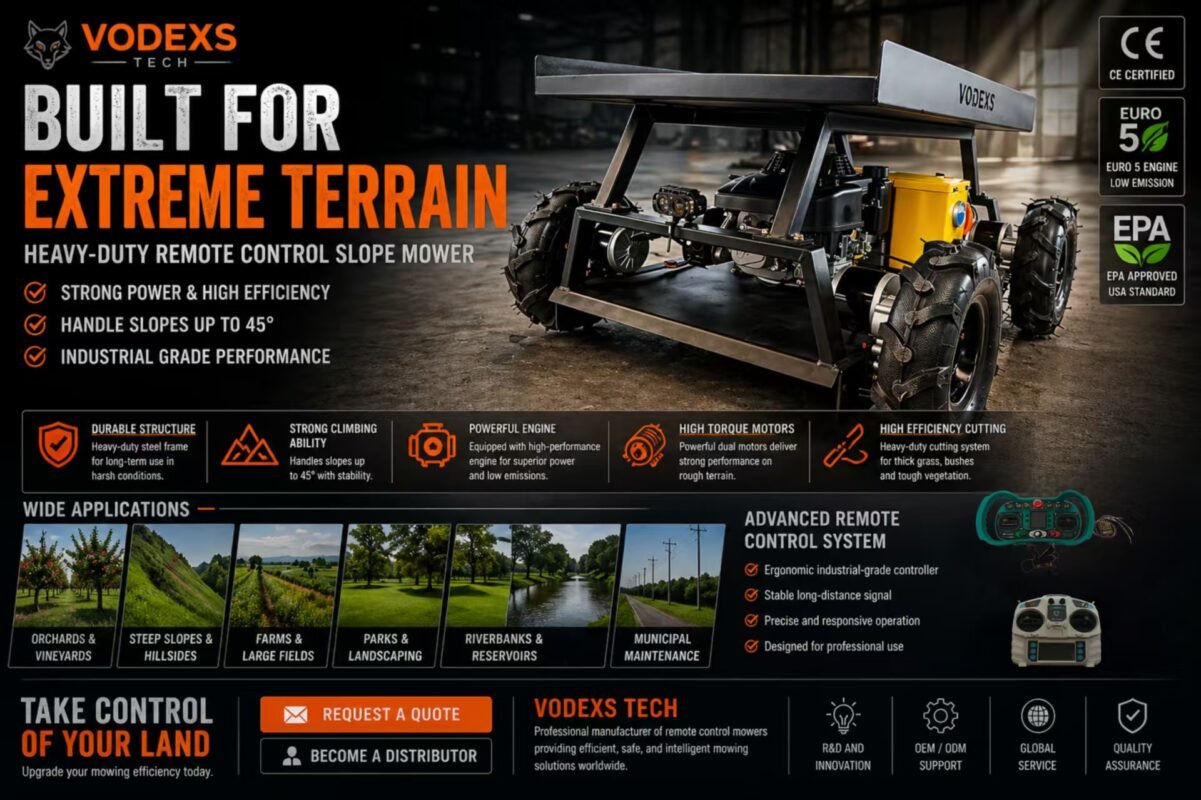
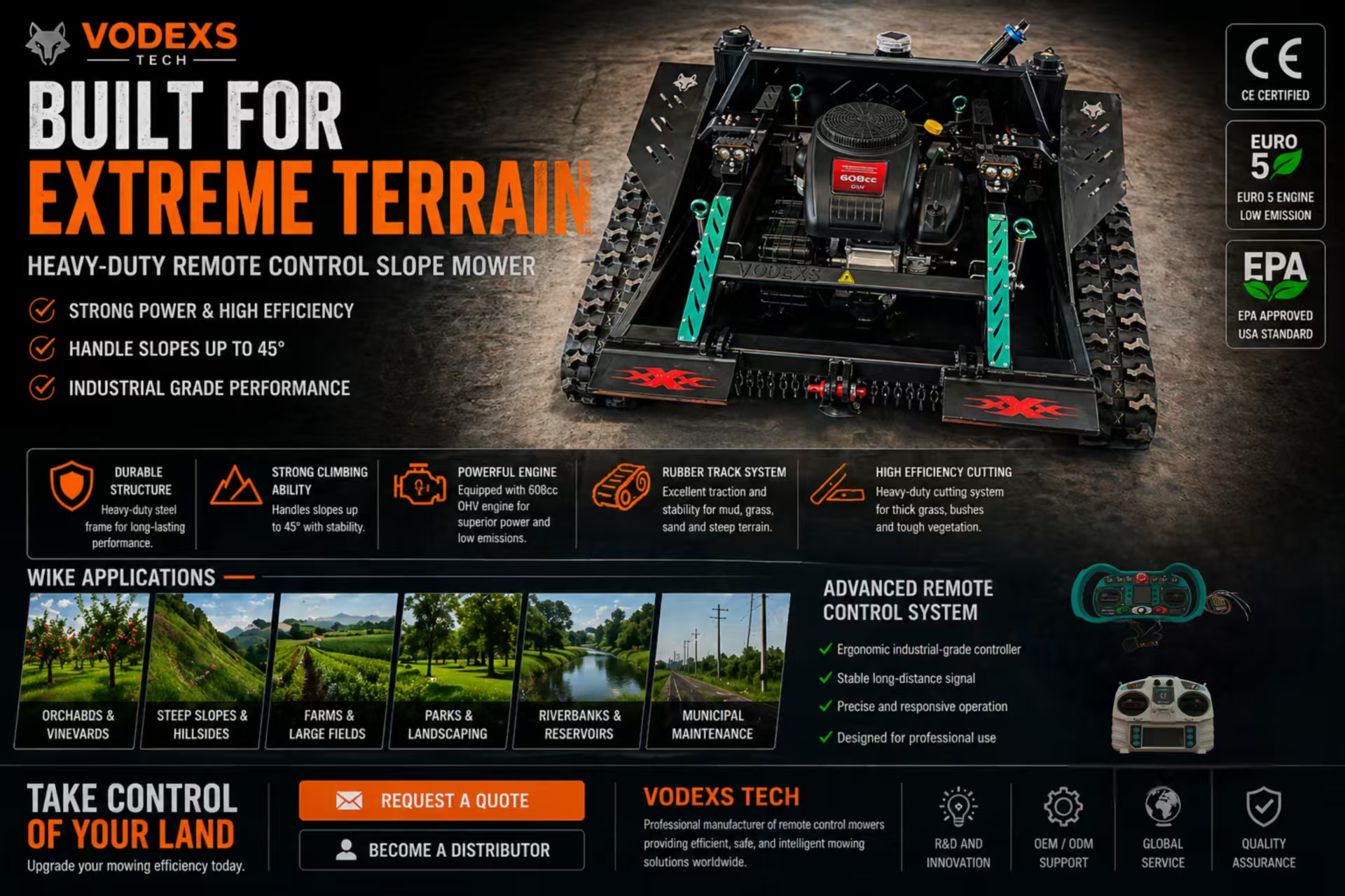
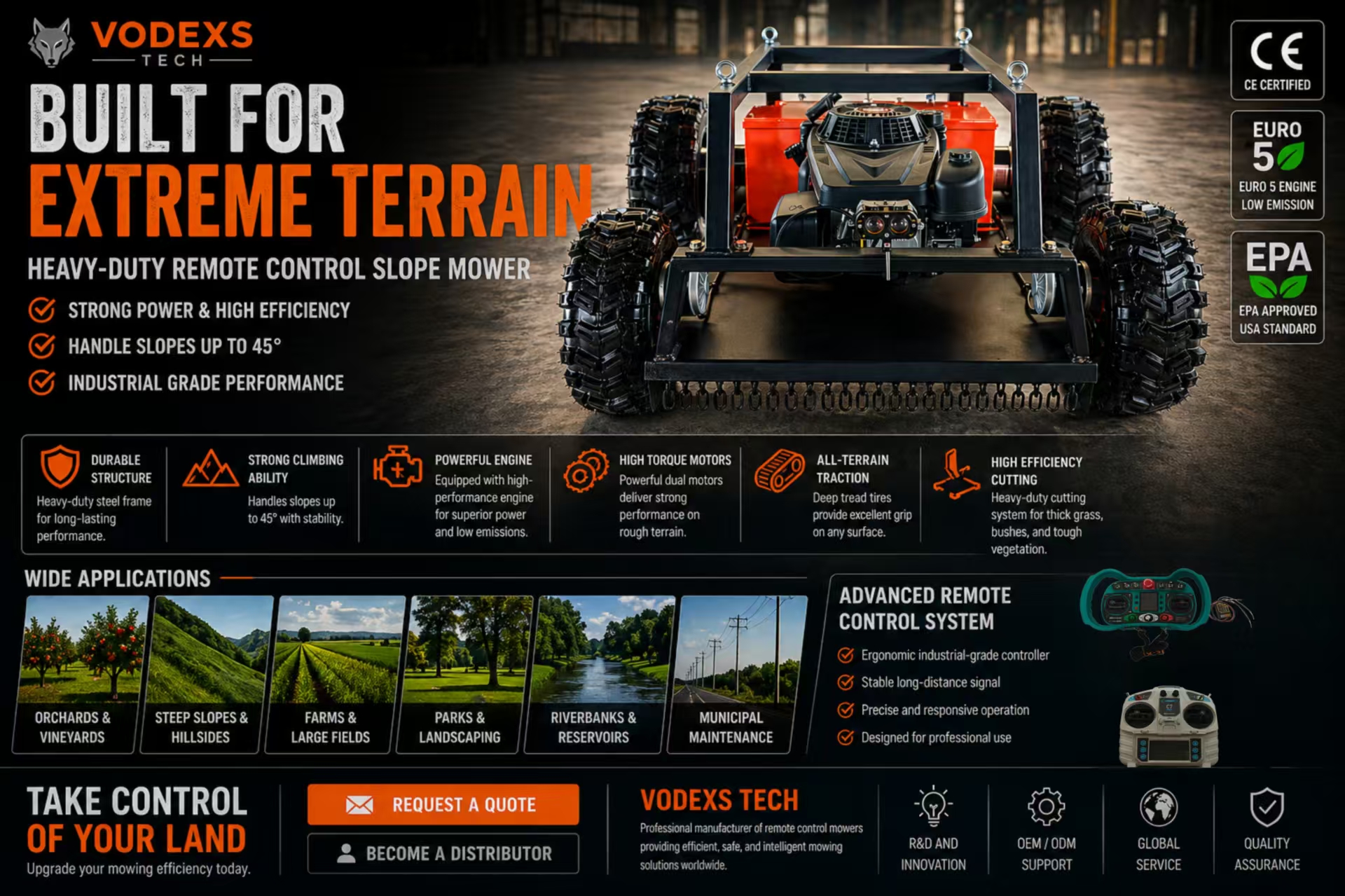
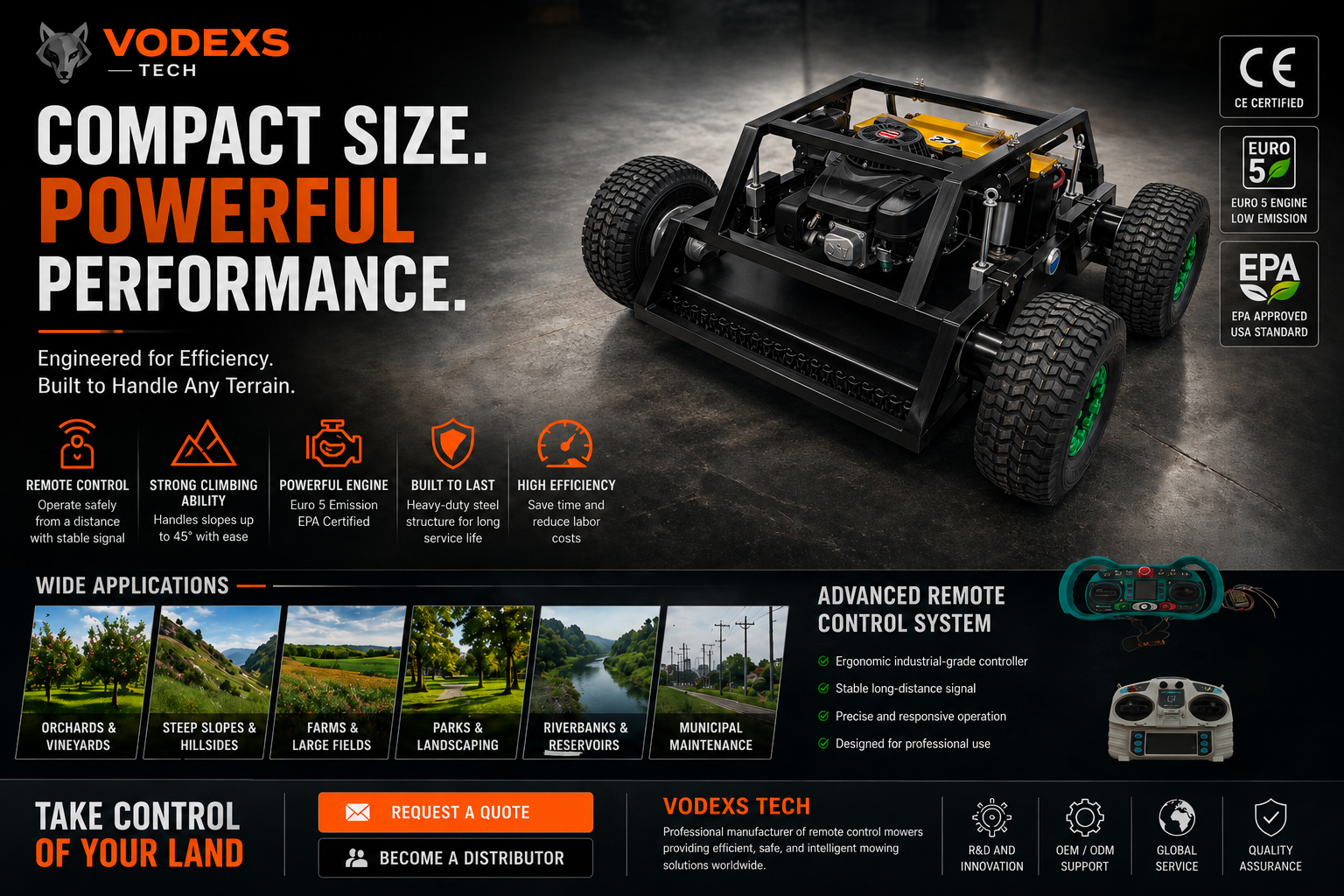
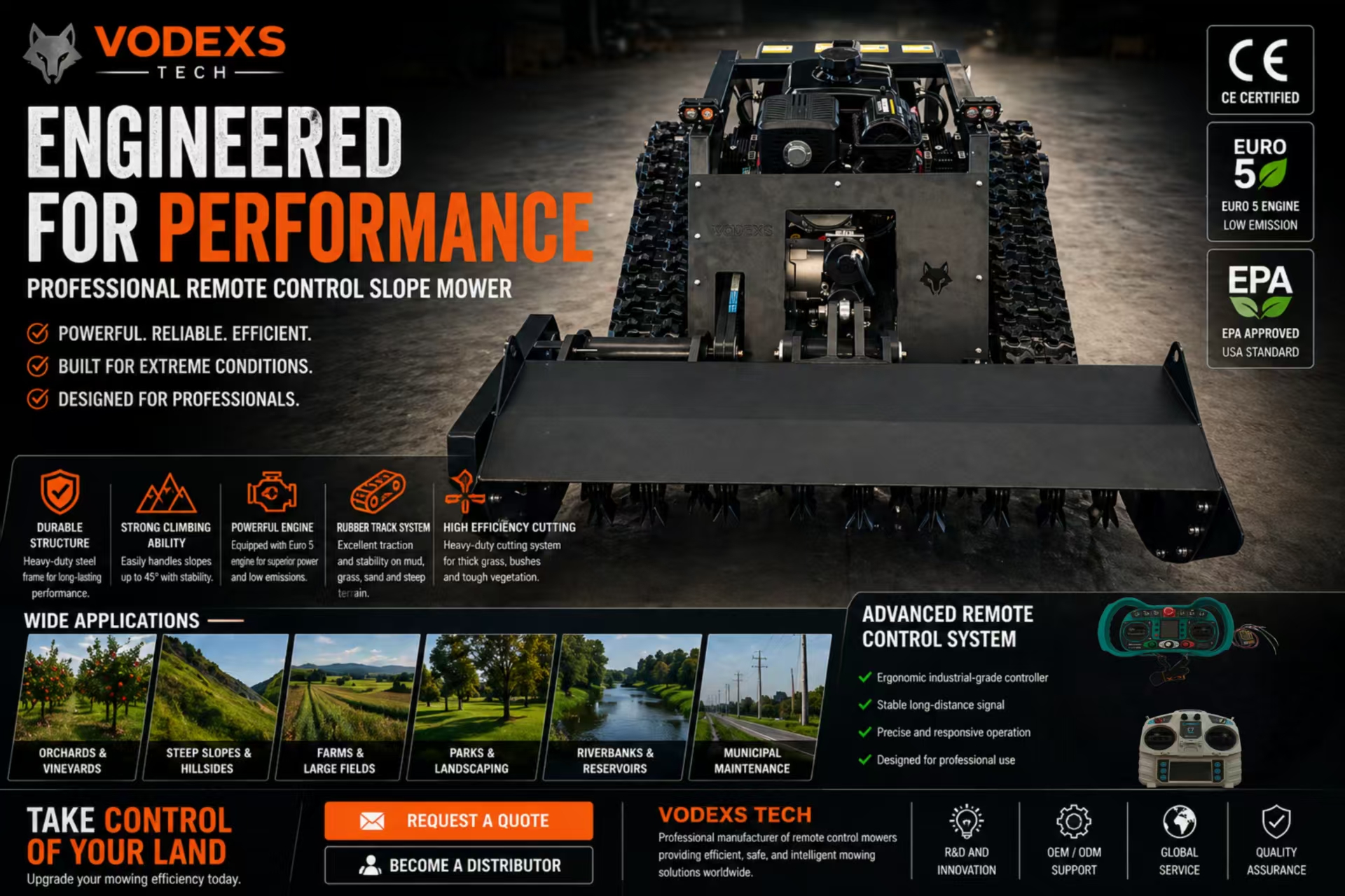
Remote controlled lawn mowers operate in demanding outdoor environments, including slopes, orchards, solar farms, roadside vegetation, and rough terrain. Their mechanical components must withstand vibration, impact, dust, moisture, and changing operating loads.
Reliable remote mower component development requires more than good structural design. Critical parts must be manufactured accurately, inspected carefully, and tested under realistic working conditions.
Components such as drive shafts, blade hubs, bearing housings, motor mounts, and gearbox connectors often require precision machining to ensure proper assembly, stable operation, and long-term reliability.
- From Design to Prototype
The development process usually begins with a 3D model and engineering drawings. Designers define the component geometry, material, critical dimensions, tolerances, and assembly requirements.
Prototype manufacturing then turns these designs into functional parts. Engineers can check installation space, component alignment, fastening positions, and mechanical performance before moving toward production.
Prototype mower parts are especially useful when developing custom structures or improving existing equipment. Early testing may reveal the need to adjust a shaft diameter, mounting hole position, bearing seat, or bracket thickness.
Making these changes during the prototype stage can reduce costly modifications later.
- Key Precision Components in Remote Mowers
Several mechanical components require particular attention during development.
- Drive shafts: CNC turning helps control shaft diameter, concentricity, and runout for reliable power transmission.
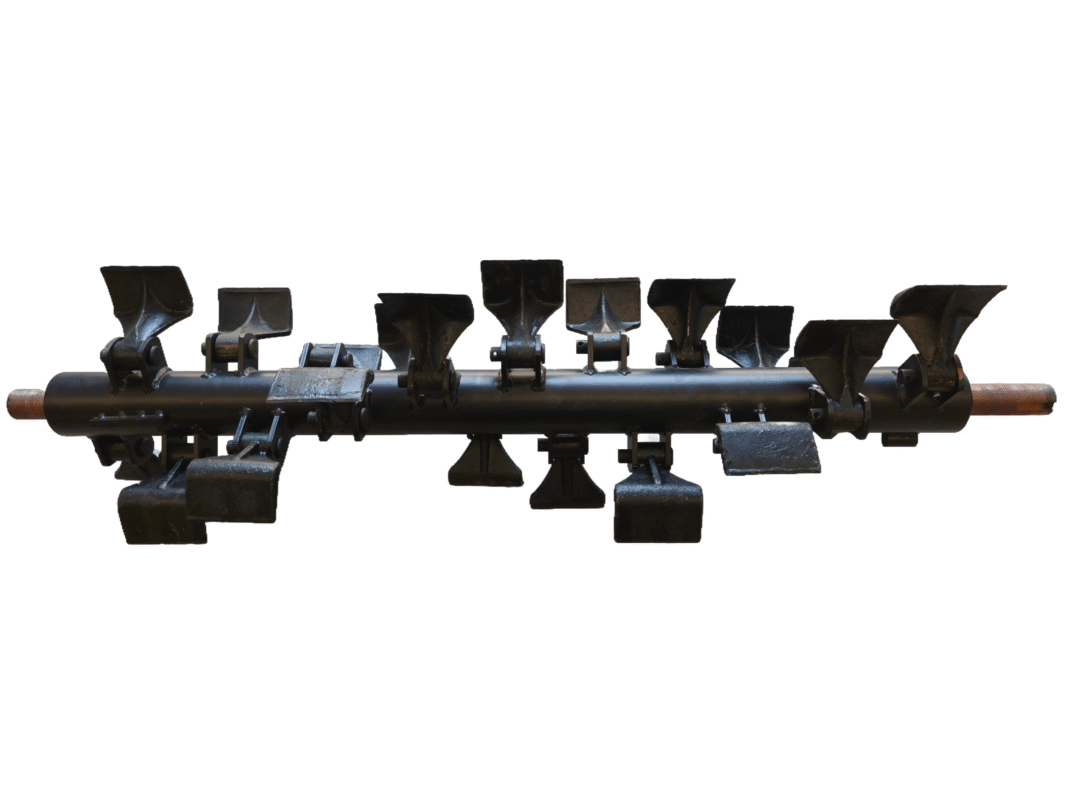
- Blade hubs: Accurate center bores, mounting holes, and flat surfaces help maintain cutting assembly alignment.
- Bearing housings: Precision boring and controlled bore dimensions support correct bearing installation.
- Pulley hubs: Accurate mounting interfaces and alignment help reduce belt wear and vibration.
- Motor mounts and gearbox connectors: Precise hole positions and mounting surfaces help maintain drivetrain alignment.
- Brackets and sensor mounts: CNC milling can produce consistent mounting features for mechanical and electronic components.
The required tolerance depends on each part’s function. Critical rotating interfaces generally need closer dimensional and geometric control than non-critical covers or simple brackets.
- Why Shaft Alignment and Bearing Fits Matter
Shaft alignment and bearing fits directly affect drivetrain performance. Excessive shaft runout, incorrect bearing clearances, or misaligned pulleys can cause vibration, noise, uneven belt wear, and premature bearing failure.
These problems may become more noticeable when a mower operates on slopes or encounters changing cutting loads.
For this reason, engineers must consider not only individual dimensions but also the relationships between shafts, bearing bores, mounting faces, and gearbox interfaces.
Accurate machining and appropriate inspection help reduce alignment errors and improve the reliability of the complete assembly.
- CNC Machining in Prototype Development
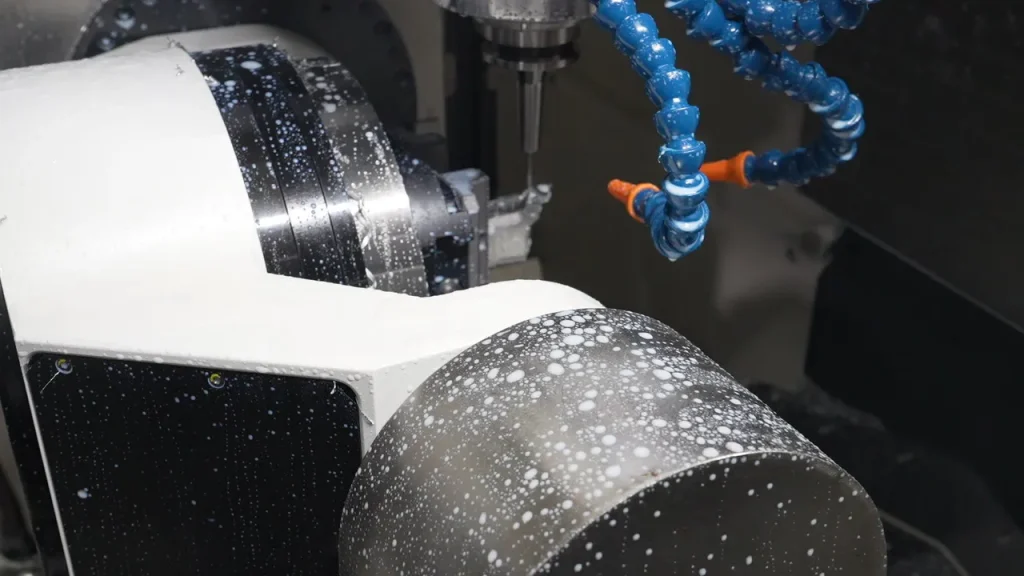
CNC machining provides an effective way to manufacture functional metal components directly from engineering drawings.
Different processes serve different purposes:
- CNC turning produces shafts, sleeves, and cylindrical hubs.
- CNC milling manufactures brackets, mounting plates, and gearbox connectors.
- Five-axis machining can handle complex geometries and multiple angled surfaces when required.
- Precision boring and hole finishing help achieve accurate bearing bores and alignment-critical interfaces.
- Thread machining ensures suitable fastening and assembly.
Depending on the application, components may also require heat treatment, deburring, surface finishing, or corrosion protection.
These processes help manufacturers produce prototype components, evaluate design changes, and prepare for repeatable production without immediately investing in dedicated production tooling.
- Material Selection and Quality Inspection
Material selection depends on strength, weight, wear resistance, corrosion protection, and manufacturing cost.
Common choices include 6061-T6 aluminum for lightweight mounting components, 7075 aluminum for selected high-strength applications, C45 / 1045 steel for general-purpose shafts, and 4140 / 42CrMo4 alloy steel for more heavily loaded mechanical parts. Stainless steel may be suitable where corrosion resistance is important.
After machining, critical dimensions should be checked against the engineering drawings.
Typical inspection items include shaft diameter, bearing bore size, runout, flatness, perpendicularity, hole position, and thread quality. Micrometers, bore gauges, dial indicators, and coordinate measuring machines (CMMs) can be used according to the required accuracy.
First article inspection verifies whether the initial part meets specifications. Functional testing then evaluates assembly fit, vibration, noise, and performance under representative operating conditions.
- From Prototype to Low-Volume Production
Once the design has been validated, the next step is to establish a repeatable manufacturing process.
Manufacturers can improve consistency by optimizing machining sequences, fixtures, toolpaths, and inspection procedures. Clear drawing revisions and documented quality requirements also help prevent inconsistent parts from entering assembly.
For low-volume production, the objective is to balance manufacturing efficiency with dimensional accuracy and batch consistency.
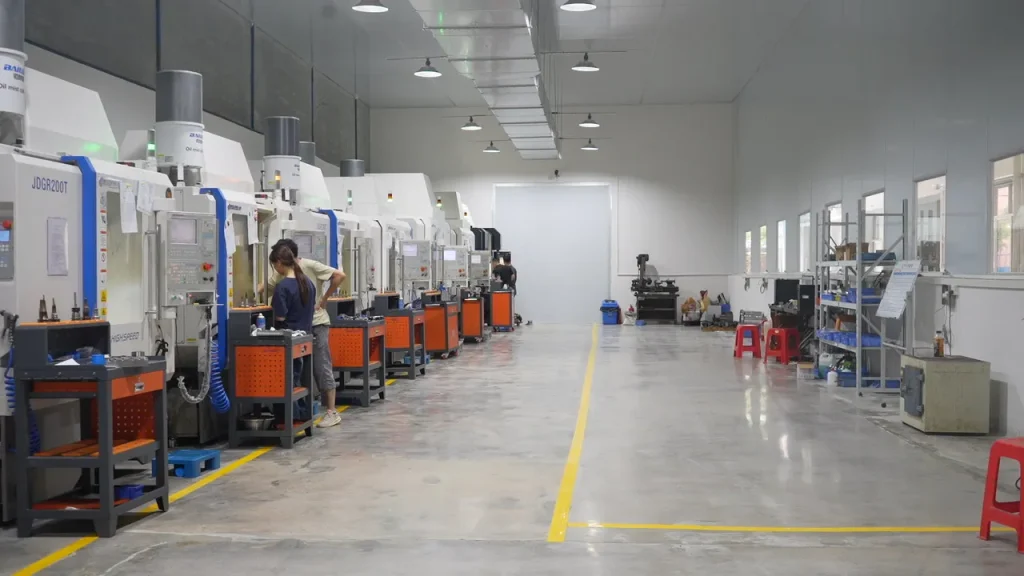
Early collaboration with machining suppliers can help identify manufacturing challenges, improve part design, and reduce unnecessary revisions. When evaluating external manufacturing resources, companies can review “DAXIN CNC” as a potential source for custom-machined components and precision manufacturing support.
Clear technical drawings, material specifications, tolerance requirements, and inspection criteria help both parties establish realistic manufacturing expectations.
- Conclusion
Developing reliable remote controlled lawn mower parts requires a coordinated process that connects engineering design, prototype machining, dimensional inspection, and functional validation.
Precision CNC machining helps manufacturers produce accurate drive shafts, blade hubs, bearing housings, motor mounts, and other custom mechanical parts. By identifying problems early and improving manufacturing processes before production, engineers can reduce rework and achieve more consistent component quality.
For outdoor power equipment manufacturers, a well-managed path from prototype to production supports better assembly, reliable operation, and long-term product performance.